
Accessibility
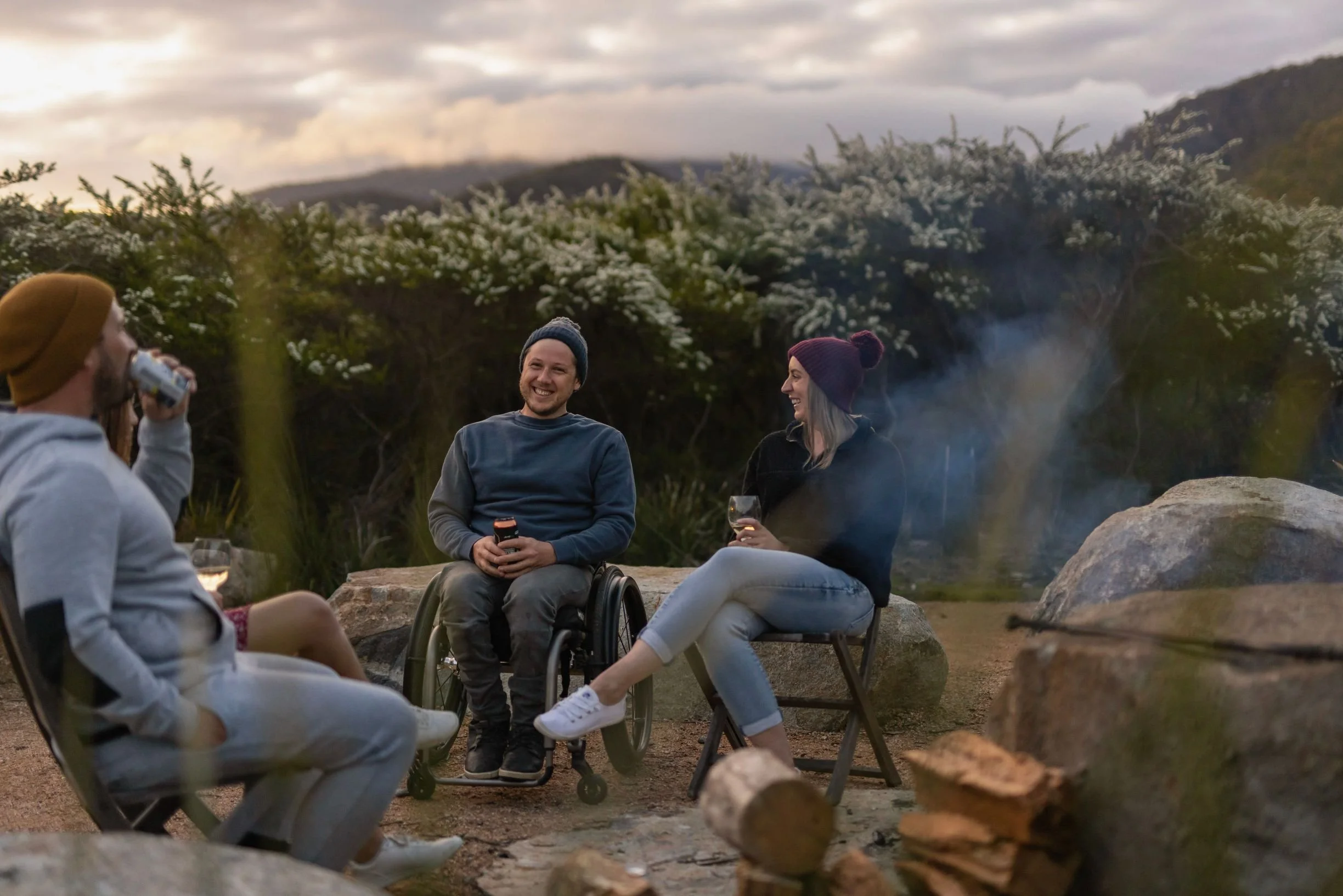
Little Beach Co Glamping / Image Credit: Dearna Bond
Accessibility Recommendations & Tips
Accessibility isn't always about expensive infrastructure upgrades; often, it's about providing better information and reducing anxiety for guests.
Four Easy Accessibility Improvements You Can Make Today
1. Add Accessibility Information and Photos to Your Website
Guests with accessibility needs will benefit from clear, accurate information before they book. Include photos of bathrooms, entrances, pathways and any accessibility features, along with descriptions of what guests can expect. Even simple details like step-free access, grab rails, door widths and parking can make a huge difference.
2. Experience Your Business from a Different Perspective
Hire a wheelchair for a day and move through your property or experience as a guest would. You may quickly identify barriers such as difficult doorways, furniture placement, trip hazards, inaccessible displays or uneven surfaces.
3. Train Your Team to Answer Accessibility Questions
Many guests simply want accurate information so they can plan with confidence. Ensure staff know what accessibility features are available and can comfortably answer questions about access, facilities, distances and support options. Providing information reduces anxiety and improves the guest experience before visitors even arrive.
4. Think Beyond Physical Accessibility
Not every accessibility improvement involves ramps or modified bathrooms. Consider quieter times for sensory-sensitive guests, larger-print menus, subtitles on videos, clear signage, dietary information, and physical guest compendiums alongside digital versions. Small changes can make experiences more welcoming for a much broader audience.
Watch the recent online webinar presented by Kerry Williams from The Accessible Group. This webinar explores the growing accessible tourism market, practical ways tourism businesses can improve accessibility, and simple changes that can make a significant difference to the guest experience.